
Taking Charge of Your Cancer Care
Posted January 31st, 2024
Carolyn Vachani, MSN, RN, AOCN
When you are diagnosed with cancer, a flood of emotions and concerns can make navigating those early days difficult. Doing your homework to learn about the diagnosis and coming to specialist appointments with questions in hand can go a long way in reducing your worries. Carolyn, OncoLink’s Innovation Director, was recently a guest on the […]

Join the Great American Smokeout for a Healthier Tomorrow
Posted November 14th, 2023
Carolyn Vachani, MSN, RN, AOCN
The third Thursday in November marks the annual Great American Smokeout, an initiative started by the American Cancer Society (ACS) in 1976. This event aims to raise awareness about the health hazards of smoking and inspire individuals to quit, even if just for one day. Why hold a “smokeout?” About 34 million American adults smoke […]

Learning to Advocate for Yourself – An Important Skill!
Posted June 15th, 2023
Carolyn Vachani, MSN, RN, AOCN
When given a cancer diagnosis, you quickly enter a world with a whole new vocabulary, many appointments, and new healthcare providers. Advocating for yourself means being able to ask for help and letting others know what you need. This is an important skill during cancer treatment! It is hard to ask for what you need […]

Happy 29th Birthday OncoLink!
Posted March 7th, 2023
Carolyn Vachani, MSN, RN, AOCN
Twenty nine years and still going strong! When I was finishing up nursing school in 1994, computers were a novelty. I still researched my school papers using the card catalogue and email was just starting to gain popularity. In a small office at the University of Pennsylvania, Dr. Joel Goldwein was playing around with creating […]

Be a Holiday Helper!
Posted December 14th, 2022
Carolyn Vachani, MSN, RN, AOCN
The holidays can be very stressful- particularly when you are already dealing with a cancer diagnosis or are the caregiver for someone with cancer.
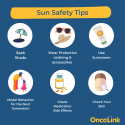
Sun Safety
Posted May 20th, 2022
Carolyn Vachani, MSN, RN, AOCN
Many of us love the sunshine – but it isn’t always good for us! UV radiation from the sun causes skin damage and aging, cataracts, and skin cancer. Every year there are more new cases of skin cancer than new cases of breast, prostate, lung, and colon cancers combined! Did you know one in five […]

Grief Anniversaries
Posted January 28th, 2022
Carolyn Vachani, MSN, RN, AOCN
This week is always just a little harder. Grief is funny like that – not haha funny but interesting funny. As time moves on, the feelings of grief are far fewer and replaced with memories that bring smiles and phone calls to my sister to reminisce. But every year as January 27th arrives and the […]

Countdown to 100,000 OncoLife Survivorship Care Plans: What is a Survivorship Care Plan?
Posted February 25th, 2021
Carolyn Vachani, MSN, RN, AOCN
In April of 2007, OncoLink launched the OncoLife Survivorship Care Plan, a tool to create care plans for people who have survived cancer. As that tool reaches the milestone of 100,000 care plans created, OncoLink’s Managing Editor, Carolyn Vachani, explains what a survivorship care plan really is – and is not. In 2006, The Institute […]

Countdown to 100,000 OncoLife Survivorship Care Plans: How it all started
Posted February 19th, 2021
Carolyn Vachani, MSN, RN, AOCN
In April of 2007, OncoLink launched the OncoLife Survivorship Care Plan, a tool to create care plans for people who have survived cancer. As that tool reaches the milestone of 100,000 care plans created, OncoLink’s Managing Editor, Carolyn Vachani, looks back on the program’s origins. In 1996, The Institute of Medicine published a report called […]

Is there a future without Pap testing?
Posted October 21st, 2020
Carolyn Vachani, MSN, RN, AOCN
Maybe you saw the hashtag #DonutTakeAwayPap on social media recently? ObGyn physicians and advocates are voicing their disagreement with the American Cancer Society’s (ACS) latest cervical cancer screening guidelines. You see, this summer while we were worrying about COVID and living during a pandemic, the ACS changed their guidelines for cervical cancer screening. The new […]